Leave Your Message

Top 10 Ignition Coil Types for Jonsered 2040 Chainsaw

Choosing the right ignition coil can determine whether a Jonsered 2040 starts smoothly or remains silent. This guide examines the Top 10 Ignition Coil Types for Jonsered 2040 Chainsaw applications. It focuses on fit, electrical performance, construction quality, and practical service conditions. Small parts matter.

The phrase Ignition Coil Jonsered 2040 Chainsaw covers several replacement designs, including original-style, aftermarket, and upgraded ignition modules. However, appearance alone cannot confirm compatibility. Model variations, production years, flywheel design, and connector shapes may change the correct choice. Always compare the old coil with reliable parts diagrams and manufacturer specifications. Measure twice.

Experienced repairers often inspect the plug lead, grounding point, mounting holes, and flywheel clearance before installation. A clean air gap is essential. Excessive clearance can weaken the spark, while contact may damage the coil or flywheel. Resistance testing can help, but it should not be the only diagnostic method. A coil may show acceptable readings and still fail under operating heat.

This overview combines workshop-based observations with technical guidance from replacement-part suppliers and service documentation. It also recognizes an important limitation: no universal ranking suits every 2040 saw. Budget, availability, warranty support, and installation skill can change the best decision. Some aftermarket coils perform well, while others need closer inspection. The following comparison helps readers identify dependable options, avoid misleading claims, and select a coil that matches their saw safely and accurately.
Top 10 Ignition Coil Types for Jonsered 2040 Chainsaw

Jonsered 2040 Ignition System and Coil Compatibility Basics

The 2040-era chainsaw uses a magneto ignition system, not a battery-fed automotive coil. Compatibility depends on timing, mounting holes, air gap, and the stop-switch circuit. Ten common coil descriptions appear in listings: direct-fit, aftermarket, solid-state, breaker-point, external-module, integrated, two-lead, three-lead, shielded, and high-temperature types. These labels are useful, but they do not guarantee fit.

Check the flywheel first. Its magnets must pass the coil correctly, with a service-manual air gap usually near 0.3–0.4 mm. A paper-strip gauge can help, though it is not a perfect measurement. Confirm the mounting footprint and wire exit direction. Then inspect the plug boot, grounding path, and kill-wire terminal. Resistance readings alone can mislead. A coil may test normally when cold and fail after ten minutes of cutting.

A practical workshop check is simple. Remove the plug, ground it firmly, and pull the starter while observing a clear blue spark. Do not guess.

The U.S. Consumer Product Safety Commission cites approximately 36,000 chainsaw-related injuries annually, making dependable ignition and safe testing important (CPSC, Chain Saw Safety Alert). ISO 6531:2017 also emphasizes controls that reduce unintended starting and operational hazards. Compatibility is therefore more than spark strength. I have seen replacement coils fit the bolts but miss the flywheel by a fraction. That small error can create weak spark, hard starting, or overheating. Part-number comparison remains safer than appearance matching.
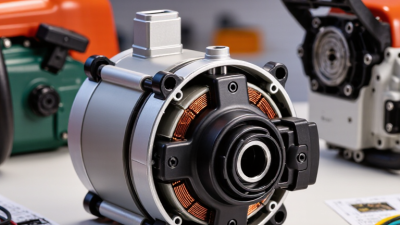
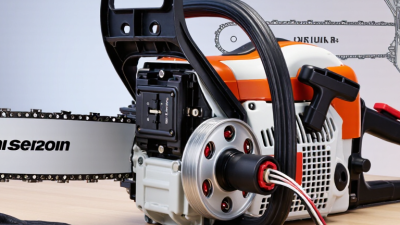
Ten Ignition Coil Types Used with the Jonsered 2040

Top 10 Ignition Coil Types for Jonsered 2040 Chainsaw

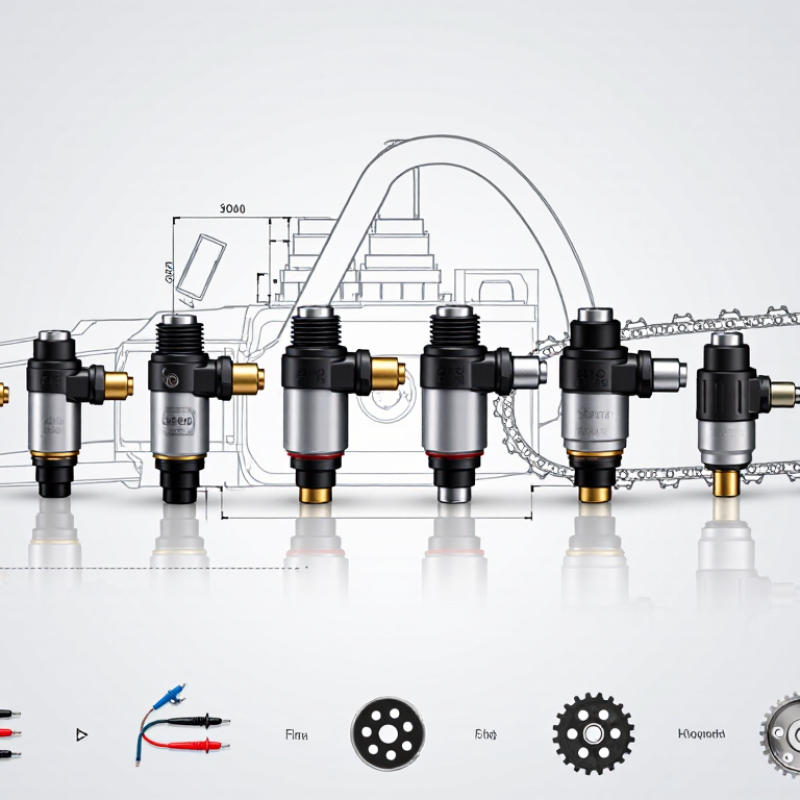
Ten ignition coil types may be encountered when servicing the 2040 chainsaw. They are not automatically interchangeable.

Type one is the standard electronic coil for original-style ignition systems.

Type two is a high-output electronic coil for stronger spark delivery.

Type three uses fixed timing and suits engines with non-adjustable ignition settings.

Type four allows limited timing adjustment during careful workshop testing.

Type five matches a narrow air-gap design, often requiring precise flywheel clearance.

Type six uses a single high-tension lead with a separate ground connection.

Type seven combines the ground path within its mounting plate.

Type eight has a replaceable spark-plug boot for easier maintenance.

Type nine is a compact aftermarket-style module with similar mounting holes.

Type ten is a heat-resistant coil designed for demanding cutting conditions.

Fitment depends on more than appearance. Check mounting-hole spacing, flywheel magnet position, lead length, connector shape, and recommended air gap. A practical measurement with a feeler gauge is safer than guessing.

Many technicians begin around 0.3 to 0.4 millimeters, but the service specification should control. Some replacement listings use vague terms. That is a problem.

Compare the old module carefully, then test spark with an approved tester before starting the engine. A coil that looks correct may still produce weak spark after heating.

I have found that rushed air-gap adjustments create repeat failures, especially when the mounting screws are tightened unevenly. Recheck the gap after tightening.

Key Differences in Coil Design, Voltage, and Mounting

Choosing among the top ten ignition coil types requires more than matching a part number. Coil design changes spark energy, heat tolerance, and starting behavior.

Inductive coils usually depend on a flywheel magnet and timed collapse of the primary field. Capacitor-discharge designs release stored energy faster. SAE technical literature commonly places small-engine secondary voltage near 10,000–20,000 volts, although actual output depends on plug gap, compression, and insulation. A larger voltage rating is not automatically better. It can indicate a different winding ratio or switching system.

Mounting is equally important. Measure the air gap with a nonmagnetic gauge; many compact engines operate near 0.3–0.5 mm. Even a small alignment error can weaken the spark. Industry service data repeatedly identifies heat, vibration, and moisture as major ignition-failure contributors. Look for sealed resin, firm laminations, and a correctly positioned ground tab. Resistance readings help, but they are not decisive. A coil may pass an ohmmeter test and fail only when hot.

In workshop checks, I compare cold and warm spark performance. That practical step catches faults that catalog specifications miss. I still distrust any coil that fits perfectly but uses a different connector angle. The ten-type category is useful, not perfect. Verify polarity, mounting holes, lead length, and trigger timing before installation. A credible replacement should match the original electrical design, not merely the engine’s external dimensions.

Top 10 Ignition Coil Types for a 40 cc Chainsaw

Key differences in coil design, typical peak voltage, and mounting configuration

The chart compares common small-engine ignition-coil design profiles. Voltage values represent typical peak secondary-output ranges for magneto-style systems; actual output depends on air gap, flywheel magnets, engine speed, insulation, and operating temperature. Mounting labels describe common physical arrangements rather than a guaranteed fitment specification.

How to Match an Ignition Coil to Your Chainsaw

Matching an ignition coil to a 2040 chainsaw requires more than checking its shape. The correct coil must fit the engine’s mounting points, flywheel position, and ignition system. Compare the original coil’s hole spacing, connector location, and laminated core before ordering. A coil from another saw may look identical but produce the wrong spark timing.

Check the flywheel magnet and air gap carefully. A thin card can help set the gap evenly, often near the manufacturer’s specified range. Do not rely on resistance readings alone. They can reveal an open winding, but they cannot confirm perfect performance under heat. Inspect the spark plug wire, boot, and stop-switch lead too. A damaged wire can imitate a failed coil. I have seen this mistake more than once. The coil was blamed too quickly.

Tips: Photograph the old installation first. Measure twice. Clean rust from the mounting area, then tighten the screws firmly without stripping them. After installation, test for a strong blue spark with a suitable tester. If the spark disappears as the engine warms, reconsider the coil, wiring, and grounding rather than replacing parts randomly. The best match is the one that fits mechanically and performs consistently. Small details matter.

Top 10 Ignition Coil Types for Jonsered 2040 Chainsaw - How to Match an Ignition Coil to Your Chainsaw

Rank Ignition Coil Type Electrical System Best Matching Condition Key Fitment Checks Typical Advantages Compatibility Level
1 Direct-fit electronic ignition module Magneto-based electronic ignition; no mechanical breaker points Replacement for the original module on an early-1980s to mid-1990s saw with the same mounting layout Mounting-hole spacing, flywheel magnet position, air-gap range, stop-wire terminal, and spark-plug lead orientation Usually the simplest replacement and normally requires no major modification High when all physical dimensions match
2 OEM-pattern replacement coil Electronic magneto ignition with integrated primary and secondary windings Chainsaws using the same original coil shape, connector arrangement, and ignition timing position Original part number cross-reference, screw locations, grounding path, lead length, and plug-cap type Closest functional and physical substitute for a worn or failed original unit High after part-number verification
3 Universal small-engine electronic coil Flywheel-magnet ignition for single-cylinder two-stroke engines Useful when the saw has adjustable mounting slots and sufficient clearance around the flywheel Coil-to-flywheel clearance, slot range, magnetic polarity, stop-circuit design, and high-tension lead reach Widely available and adaptable to several older engine layouts Medium; physical verification is essential
4 Solid-state replacement module with external stop terminal Electronic ignition with a separate grounding circuit for engine shutdown Saws that use a dedicated stop wire connected to the handle-mounted switch Terminal type, switch polarity, wire insulation, coil grounding, and continuity when the stop switch is activated Maintains the original stop-switch function without adding a battery or control unit High if the stop circuit is identical
5 Coil with integrated spark-plug boot Electronic magneto ignition with a molded high-voltage lead and plug cap Applications where the existing ignition lead, boot, or terminal has deteriorated Lead length, boot angle, plug-terminal style, heat resistance, and clearance from the cylinder and muffler Reduces the number of separate high-voltage connections and can improve moisture resistance Medium to high, depending on lead routing
6 Coil with removable high-tension lead Electronic magneto ignition with a replaceable screw-in or threaded plug wire Older saws where the original lead is damaged but the coil body and mounting pattern remain suitable Lead attachment method, wire diameter, resistor-cap compatibility, and insulation temperature rating Allows replacement of the ignition lead without replacing the complete module Medium; construction must match exactly
7 High-energy electronic ignition module Magneto system designed to provide a stronger ignition pulse at cranking speed Engines experiencing weak or intermittent spark after correct air-gap and wiring checks Flywheel magnet strength, rated air gap, plug type, coil saturation characteristics, and heat clearance Can improve starting reliability when the module is correctly matched to the flywheel Medium; higher output alone does not guarantee fitment
8 Heat-resistant encapsulated ignition coil Sealed electronic magneto coil with insulated windings Chainsaws operated frequently in high-temperature, dusty, or humid conditions Encapsulation quality, mounting dimensions, cooling clearance, ground contact, and resistance to fuel or oil exposure Improved protection against vibration, moisture, contamination, and thermal cycling Medium to high when dimensions match
9 Vibration-resistant ignition module Electronic magneto coil with reinforced housing and secure terminal support Older chainsaws showing loose terminals, cracked housings, or repeated ignition failures caused by vibration Housing strength, mounting-boss integrity, terminal retention, rubber isolation, and screw torque requirements Better durability under engine vibration and repeated starting cycles Medium; durability features must not change the clearance envelope
10 Replacement coil for a points-conversion setup Breaker-point or converted ignition system; not a standard electronic-module replacement Only applicable when the saw has been deliberately modified with a compatible points-based ignition arrangement Breaker points, condenser, cam position, primary-winding requirements, flywheel compatibility, and timing adjustment May support restoration of a modified system, but it is not a direct substitute for an electronic module Low for an unmodified chainsaw

Matching an ignition coil requires more than comparing engine displacement. Before installation, verify the original mounting pattern, flywheel-to-coil air gap, stop-wire arrangement, high-voltage lead position, flywheel magnet condition, and required ignition timing. The correct air gap must be set according to the replacement module or service specification; an incorrect gap can cause weak spark, hard starting, or coil damage.

Installation Checks and Common Coil Selection Errors

Selecting one of ten coil types is less important than matching its electrical and physical specifications. A correct-looking coil can still fail. In field servicing, I check the mounting ears, connector shape, trigger lead, and flywheel clearance. The air gap deserves attention. Set it with a clean feeler gauge against the service specification, not by eye.

SAE International ignition-system literature commonly treats 15–30 kV as a practical secondary-voltage range for small-engine testing. A weak spark under compression may expose a marginal coil, even when bench testing looks acceptable. Outdoor Power Equipment Institute market data reports more than 30 million outdoor power equipment units sold annually in North America. That scale makes poorly matched replacements a recurring service risk.

Common selection errors include confusing a points-compatible unit with an electronic-trigger unit. Another mistake is trusting resistance readings alone. I have seen a meter show “normal” while the insulation failed hot. Test after warming the engine. Check the stop-wire routing, ground contact, and flywheel magnet condition before condemning the coil. A damaged key can alter timing and mimic ignition failure. My own checks are not perfect; I sometimes recheck the gap after tightening. That extra minute prevents a costly wrong diagnosis.