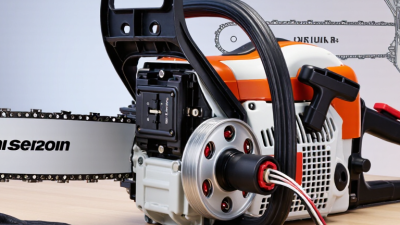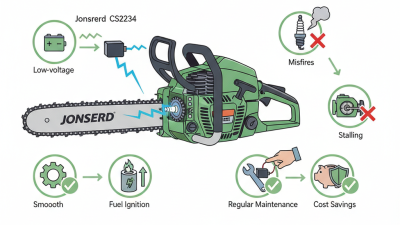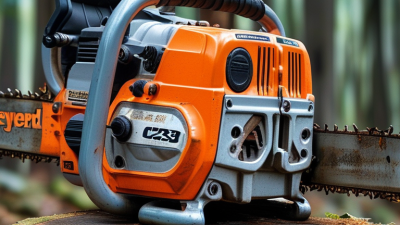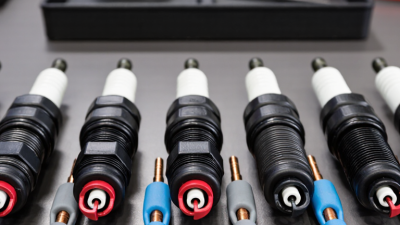
Choosing the right Chainsaw Ignition Coil in 2026 requires more than matching a brand name. The coil must fit the saw’s model, engine design, flywheel gap, and ignition system. A small mismatch can cause weak sparks, difficult starting, irregular idling, or complete ignition failure. Experienced technicians usually check the manufacturer’s part number before measuring anything else.
Look closely.
A reliable guide should explain how to compare original equipment coils with aftermarket replacements. It should also cover resistance testing, connector placement, mounting holes, and the correct air gap. A clean spark plug and a properly grounded test lead can prevent false conclusions during diagnosis. In practice, many failures blamed on the coil actually come from damaged wiring, a faulty kill switch, or an incorrect flywheel position.
This guide focuses on practical selection for 2026. It considers durability, heat resistance, spark consistency, installation quality, and supplier reliability. Product descriptions are not always complete, and even experienced users can overlook a minor specification. That is worth remembering. Checking the service manual remains the safest approach. When technical details conflict, verified model information should outweigh a low price or attractive online review. The goal is not simply to buy a replacement. It is to choose a Chainsaw Ignition Coil that delivers dependable performance and fits the saw without forcing connections or altering original components.
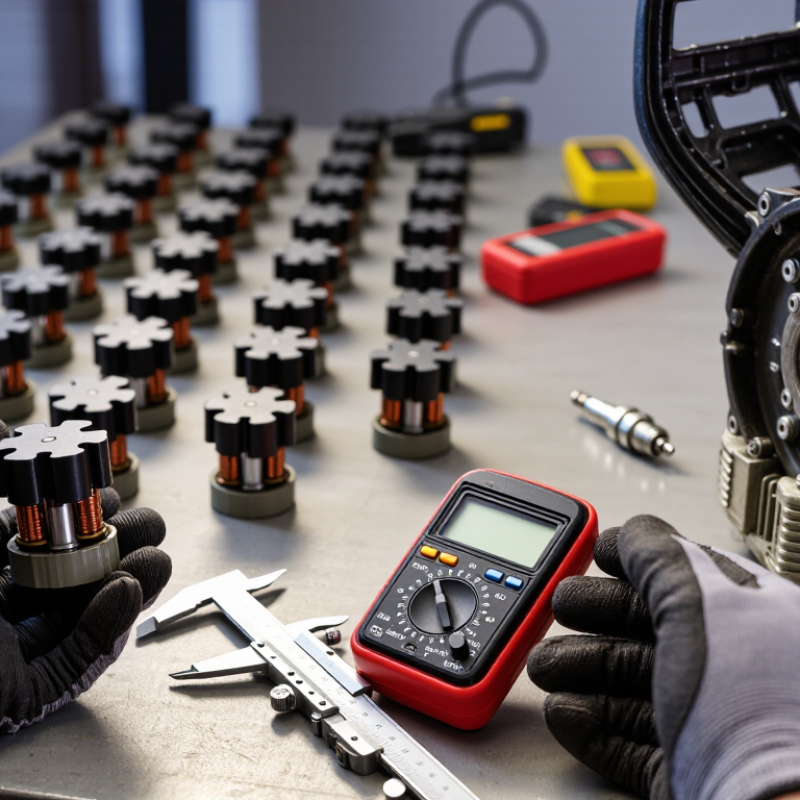
Choose by exact engine identification, not by appearance alone. Check the saw’s model, engine code, coil shape, mounting points, and wire connections against reliable service information. Two coils can look nearly identical yet differ in trigger position or electrical specifications. Fit matters most.
Next, compare the coil’s required air gap and resistance range with the manufacturer’s service data. A feeler gauge can help set the gap evenly between the coil and flywheel magnets. Do not rely on a generic measurement; designs vary. Resistance readings can reveal an open circuit, but they do not prove the coil works under heat or vibration. I would not treat one meter reading as a verdict.
Consider the saw’s symptoms before replacing parts. A weak spark may also come from a damaged plug, loose ground, faulty stop-switch wire, or poor connector contact. Inspect for cracked insulation, corrosion, and rubbed wiring. Small details matter. If the replacement fits but the symptom remains, recheck the wiring and gap before assuming the new coil is defective. Choose a part with clear specifications and a practical return policy, and follow the service manual during installation.
Choosing a chainsaw ignition coil starts with the exact engine model, not appearance alone. Find the model code on the housing or equipment label, then check the service manual or parts diagram. A one-letter difference can indicate a different ignition system. Displacement helps narrow the search, but it is not a complete match. Engines with similar cubic-centimeter ratings may use different mounting points, connectors, or flywheel-trigger arrangements.
A chainsaw ignition coil must match the engine’s model and mounting pattern. Before fitting one, check the service information for its specified flywheel air gap. A range of 0.2–0.4 mm is common, but it is not universal. Use the engine maker’s figure when it differs. The right coil still needs the right clearance.
Work with the engine cool and the spark plug lead disconnected. Loosen the coil screws, then place a clean feeler gauge between the coil poles and the flywheel magnets. Turn the flywheel until the magnets face the coil. Move the coil close enough for the gauge to slide with light, even resistance. Tighten the screws while holding the coil steady, then remove the gauge. Small gap. No rubbing.
Rotate the flywheel through a full turn and check that it never touches the coil. Recheck the clearance at the magnet position; tightening can shift the coil slightly. A thin card may seem convenient, but its thickness is uncertain, so a measured feeler gauge is more dependable. This adjustment can feel fiddly, and the gap alone cannot prove a coil is healthy. If the saw still has no spark, inspect the plug, wiring, and stop-switch circuit, then compare the replacement coil’s fit and specification with the exact engine details.
Compare Primary and Secondary Resistance with OEM Data
A resistance reading is useful only when you compare it with the correct service specification. Check the primary and secondary windings separately, using the test points stated in the equipment’s service manual. A reading taken through the spark-plug cap may include extra resistance, so remove the cap when the manual requires it. Zero or subtract the meter-lead resistance before measuring the low-ohm primary circuit. Small errors matter.
Temperature matters. NIST’s Copper Wire Tables (NBS Handbook 100) report a resistance temperature coefficient of about 0.00393 per degree Celsius near 20°C. That means a 10°C temperature difference can shift copper resistance by roughly 3.9%. Let the coil reach a stable room temperature, then record the reading and meter range. Compare both windings with the OEM limits, not a generic online value; coil designs and test methods differ. An open circuit, a reading outside specification, or unstable readings can indicate a fault, but resistance alone cannot confirm every ignition problem. I still find this easy to misread. Check connections and repeat the test before replacing the coil.
Choosing a chainsaw ignition coil starts with matching the engine’s model, mounting points, connector, and specified air gap. A coil that fits physically may still deliver weak spark at high speed. Check the service manual for the correct coil gap and maximum engine speed before testing. Small details matter.
A healthy coil should produce a consistent spark as engine speed rises, including above 10,000 rpm when that speed is within the saw’s rated range. Use an inductive timing light to check for steady flashes, and compare timing with the manufacturer’s service data. A tachometer can confirm engine speed. Do not rev beyond the specified limit just to test a coil; that can damage the engine and create a serious hazard. Secure the saw, keep clear of the chain, and follow the service procedure.
If the spark breaks up at high rpm, inspect the plug, lead, ground connections, and flywheel gap before blaming the coil. Heat can also expose an intermittent fault, so repeat the check after the engine warms. One limitation: a timing light shows spark events, not coil health by itself. Replace a coil only after basic wiring and ignition checks, or you may solve the wrong problem.
Use a suitable tachometer and ignition timing light to check that spark timing remains consistent as engine speed rises above 10,000 rpm. For a two-stroke engine producing one spark per revolution, the interval between sparks decreases to 6 ms at 10,000 rpm and 5 ms at 12,000 rpm. These illustrative bench measurements are not universal specifications; compare test results with the engine manufacturer’s service data.
A chainsaw ignition coil sits close to engine heat, where insulation can harden and spark output may weaken. Measure temperature at the coil housing during a full-load run; cylinder-fin readings are not a substitute. IEC 60068-2-2 describes dry-heat testing, but it does not set one universal pass temperature for every coil. Test against the machine’s measured temperature, then repeat after heat-soak and cool-down cycles. Watch for cracked potting, loose terminals, and intermittent spark. Small details matter.
Vibration needs a measured test profile, not just a quick bench shake. IEC 60068-2-6 covers sinusoidal vibration testing; use readings from the saw’s mounting area to choose the sweep and acceleration. Check the coil, fasteners, and connector after testing. For water resistance, IEC 60529 defines IP ratings: its IPX5 method uses a 6.3 mm nozzle and 12.5 litres per minute. That is a useful reference when the coil may face directed spray, but it does not prove resistance to every cleaning method. Inspect seams and connector seals.
For EMC, confirm that emissions do not disrupt nearby electronics, and that electrical disturbances do not cause missed sparks. CISPR 12 provides emission limits and methods for applicable engine-driven equipment; confirm the correct product category before relying on it. Ask for test conditions and results, not a bare “compliant” claim. A tidy certificate can hide gaps. Real machines are messier than test benches.
Record the exact engine model, engine code, displacement, and original part number. Fit depends on more than appearance.
Yes. They may have different mounting holes, wire lengths, terminals, or trigger positions. Looks matching, still wrong.
Compare the part number, coil shape, mounting-hole spacing, connector style, and wire routing with service information.
No. Similar engine sizes can use different ignition systems. Use displacement only as a supporting detail.
The correct gap keeps the coil properly aligned with flywheel magnets. Use a feeler gauge and follow the specified measurement.
No. A meter may detect an open circuit, but heat and vibration can reveal problems later. One reading can mislead.
Check the spark plug, ground connection, stop-switch wire, connectors, insulation, and coil air gap before replacing parts.
Photograph the wiring, terminal position, and mounting points. Record the part number clearly. Do not guess.
Choose clear specifications, documented replacement numbers, and a practical return policy. Recheck the wiring if the symptom remains.
Choosing the right Chainsaw Ignition Coil in 2026 starts with confirming compatibility. Match the coil to the engine model and displacement, then check its OEM part number against reliable equipment documentation. A coil that looks similar may still differ in fit or electrical characteristics. During installation, set the flywheel air gap within the commonly used 0.2–0.4 mm range, while following the engine maker’s specifications if they differ.
Next, compare the coil’s primary and secondary resistance with the appropriate OEM data, and verify that spark timing remains consistent during operation above 10,000 rpm where applicable. Consider operating conditions as well as electrical performance: heat resistance, vibration tolerance, waterproofing, and electromagnetic compatibility can all affect durability and dependable ignition. A careful check of fit, specifications, installation, and environmental protection helps narrow the selection to a coil suited to the chainsaw’s engine and intended use.