Top Stihl BG50 Ignition Coil Suppliers and Prices
Finding a dependable Stihl Bg50 Ignition Coil can be harder than expected. Online listings often look similar, yet small differences may affect fitment and engine performance. This guide examines established suppliers, current price ranges, product descriptions, and practical buying checks for the Stihl BG50 blower.
Workshop experience shows that a replacement coil should match the blower’s model details, mounting points, wiring, and spark plug connection. A coil that appears correct may still create weak ignition or difficult starting. Check the machine’s identification label and compare photographs carefully. Do not rely on price alone.
Prices vary with supplier reputation, manufacturing quality, shipping costs, and warranty coverage. Some sellers offer inexpensive aftermarket coils, while others provide tested components with clearer return policies. The cheapest option is not always the most economical choice. That lesson is easy to overlook.
This article compares supplier information from recognized tool-parts retailers and specialist outdoor-power-equipment stores. It also considers customer feedback, delivery reliability, technical descriptions, and after-sales support. These details help readers judge value more realistically. However, listings can change without notice, and some product pages contain incomplete specifications. Verify every critical detail before ordering.
A reliable purchase should provide a secure fit, stable spark, and reasonable support if problems appear. Keep the old coil nearby during comparison. Its connector and mounting shape can reveal useful differences. Careful checking takes a few minutes. It may prevent an expensive mistake.
Stihl BG50 Ignition Coil: Function and Compatibility
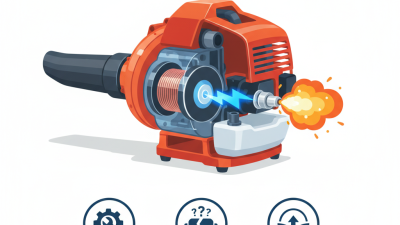
An ignition coil on a BG50 handheld blower converts low-voltage current into the high-voltage pulse needed by the spark plug. The pulse must arrive at the correct moment, or the engine may refuse to start. A weak coil can cause hard starting, intermittent stalling, or a spark that disappears when the engine becomes hot.
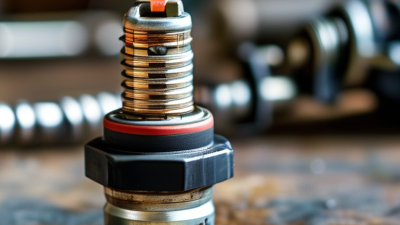
Compatibility depends on more than the model label. Check the mounting-hole spacing, connector shape, plug lead length, and flywheel clearance. The coil must match the flywheel’s magnet position and the engine’s ignition design. Many replacement units require an air gap near 0.3 to 0.4 millimeters, but the service specification should control. Too wide a gap may weaken the spark. Too narrow a gap can cause contact damage.
A practical test begins with a clean spark plug and a reliable spark tester. Do not judge the coil by appearance alone. I once found a nearly new replacement with the wrong connector; it looked correct but never produced a stable spark. That mistake was avoidable. Reputable suppliers should provide measurements, return terms, and production details. Prices often range from about 15 to 40 dollars, depending on construction and included hardware. Very cheap coils may fit loosely or fail under heat. Compare specifications before comparing prices.
Key Features to Compare When Choosing an Ignition Coil
When comparing ignition coils for handheld two-stroke equipment, electrical compatibility matters more than the lowest price.
Check primary and secondary resistance, connector shape, mounting-hole spacing, and required air gap. A mismatch can produce weak sparks, difficult starting, or overheating after several minutes. Look for coils tested across heat and vibration cycles. Outdoor equipment often works near dust, fuel mist, and sudden temperature changes. Sealing matters.
Supplier evidence should be specific.
Ask for batch test records, insulation-test results, production traceability, and a clear warranty period. A supplier quoting $12 may offer less value than one charging $20 with verified testing and replacement support. MarketsandMarkets estimated the global ignition-coil market at about $3.3 billion in 2023, with growth toward $4.4 billion by 2028. That broader report covers vehicle and equipment applications, so it cannot prove small-engine quality. Still, it shows why supplier claims deserve careful checking.
I would compare measured resistance against the service specification, not a generic online chart.
Some listings use identical photographs for different coil designs. That is a warning sign. Check the spark gap with a calibrated tester, then inspect the engine’s flywheel magnets and air gap. A new coil may not fix a damaged trigger system. Price comparisons should include shipping, return terms, testing documents, and downtime. Cheap can become expensive. I may still choose a higher-priced supplier when the technical records are incomplete. Reliability is not always visible in the listing.
Top Supplier Types for Stihl BG50 Ignition Coils
Reliable suppliers for a BG50 ignition coil usually fall into three groups: authorized equipment dealers, specialist parts distributors, and aftermarket manufacturers. Authorized dealers often provide the best fit and clearer warranty terms. Their prices may range from $35 to $65, depending on availability and shipping.
Specialist distributors can offer useful technical support. They may confirm connector shape, mounting-hole spacing, and compatible production years before accepting an order. This detail matters because two coils can look nearly identical. A typical price sits between $25 and $50. Ask whether the package includes the ignition lead, boot, or mounting screws. Small missing parts can delay a repair.
Aftermarket suppliers often provide the lowest prices, commonly $15 to $35. Quality varies. Some coils perform well, while others show unstable spark strength after several heat cycles. Check return policies, seller testing methods, and customer photographs. A trustworthy supplier should describe resistance readings and insulation checks, not only claim “direct fit.” Measure the flywheel gap with a feeler gauge after installation. The engine should start cleanly and maintain a steady idle.
I have found that the cheapest listing is not always economical. A failed coil can waste fuel, time, and another shipping charge. Supplier descriptions can also be incomplete, so verify every measurement before ordering.
Top Stihl BG50 Ignition Coil Suppliers and Prices - Top Supplier Types for Stihl BG50 Ignition Coils
| Supplier Type |
Typical Product Description |
Indicative Price Range (USD) |
Usual Condition |
Typical Lead Time |
Key Buying Considerations |
| Authorized Service Channel |
Original-equipment replacement ignition module supplied through an authorized repair or parts channel |
$45–$85 |
New |
1–7 business days |
Best choice when exact fit, installation support, and documented compatibility are priorities |
| Independent Outdoor-Power-Equipment Distributor |
Replacement ignition coil listed for a compact two-stroke handheld blower |
$25–$55 |
New |
2–10 business days |
Confirm the mounting pattern, air gap, stop-wire connection, and return policy before ordering |
| Specialized Small-Engine Parts Wholesaler |
Aftermarket ignition coil supplied individually or in trade quantities |
$12–$30 |
New aftermarket |
3–15 business days |
Suitable for repair shops; verify minimum order quantity and batch consistency |
| Online Replacement-Parts Marketplace |
Generic replacement coil marketed for the BG50-compatible ignition system |
$10–$28 |
New aftermarket |
5–20 business days |
Compare seller feedback, product photographs, included hardware, and warranty coverage |
| Used-Parts or Salvage Supplier |
Previously installed ignition module removed from a compatible donor unit |
$8–$22 |
Used |
3–14 business days |
Lowest upfront cost, but electrical testing, corrosion inspection, and limited warranty are important |
Price and Fitment Notes
- Prices are indicative retail ranges in U.S. dollars and normally exclude shipping, taxes, and installation.
- Before purchase, compare the replacement part with the original coil’s mounting-hole spacing, connector or stop-wire arrangement, flywheel clearance, and ignition lead.
- Ignition faults can also result from an incorrect air gap, damaged spark plug, defective stop switch, poor grounding, or flywheel-key damage.
- Exact compatibility should be confirmed using the equipment’s serial-number range and the supplier’s fitment documentation.
Stihl BG50 Ignition Coil Price Factors and Typical Ranges
For a BG50-compatible ignition coil, price usually reflects more than the copper winding inside. Current aftermarket listings commonly range from $18 to $45 for standard replacement units. Premium versions often reach $55. Installation may add $30 to $80, depending on local labor rates.
Material quality matters. A coil with insulated copper wire, sealed resin, and stable heat resistance costs more. Shipping also changes the final price, especially for rural buyers. The 2024 Global Outdoor Power Equipment Market Report places the wider equipment market above $30 billion, with annual growth near 6%. That growth increases demand for replacement components and may tighten inventory during spring.
Fit remains the most important factor. Check the mounting-hole spacing, connector shape, and air gap before ordering. A typical air gap is about 0.3 to 0.4 millimeters, but model specifications should control. Cheap parts can work well. Sometimes. However, inconsistent spark strength may cause hard starting after the engine warms. The 2024 Small Engine Repair Services Industry Outlook also identifies labor and parts availability as major service-cost drivers. Prices vary by region. In my experience, a $25 coil becomes expensive when it needs repeated adjustment or early replacement. Supplier warranty length, test documentation, and return terms deserve equal attention. Beware vague listings. They create avoidable risk.
Stihl BG50 Ignition Coil Price Factors and Typical Ranges
Indicative replacement-part prices in USD, excluding shipping, taxes, and installation.
New aftermarket ignition coils commonly fall within the lower and middle price bands, while
original-equipment or premium-compatible parts generally cost more. Shipping, seller location,
warranty coverage, connector compatibility, and included components can significantly affect the final price.
How to Verify Supplier Quality and Part Fitment
When comparing ignition-coil suppliers, price should never be the only filter. Current aftermarket listings often range from 15 to 60 US dollars, depending on testing, warranty, and traceability. The ISO Survey 2023 recorded more than 1.2 million ISO 9001 certificates worldwide. Certification helps, but it does not prove every coil fits your engine.
Ask suppliers for the exact part number, engine family, mounting-hole spacing, connector style, and kill-wire position. Match these details with the old coil. Check the specified air gap, too. A mismatch of only a few tenths of a millimeter can weaken the spark. Resistance readings are useful, but they are not enough. Test the coil cold and after warming it, because some failures appear only under heat.
Look for batch numbers, inspection records, and a written fitment guarantee. The supplier should explain its spark-testing method, not merely claim “100% tested.” Industry quality guidance from NIST emphasizes traceable measurement and calibrated equipment. That detail matters.
I have seen inexpensive coils pass a basic meter check yet fail during starting. My own judgment can be imperfect, especially when listings use copied specifications. A clear return policy protects against that uncertainty. Premium pricing is reasonable only when documentation, testing, and support are visible.