How to Choose the Right Ignition Coil for Your Vehicle?
Choosing the right ignition coil is crucial for your vehicle's performance. This small yet vital component plays a significant role in the ignition system. It transforms battery voltage into a high voltage needed to ignite the air-fuel mixture in the engine. A faulty ignition coil can lead to misfires, reduced fuel efficiency, and engine performance issues.
When selecting an ignition coil, consider factors like compatibility and quality. Not all ignition coils are created equal. Therefore, investing time in research is essential to avoid mediocre options. A reliable ignition coil enhances your vehicle's efficiency. Always consult a professional mechanic if you're unsure about your choice. They can provide insights based on experience and expertise.
Pay attention to details like the coil's manufacturer and warranty. Some aftermarket coils may not meet original equipment (OE) standards. This can impact your vehicle's performance negatively. Finding a balance between cost and quality is a challenge every vehicle owner faces. Don’t rush the process; take the time to make an informed decision.
Understanding the Role of Ignition Coils in Vehicle Performance
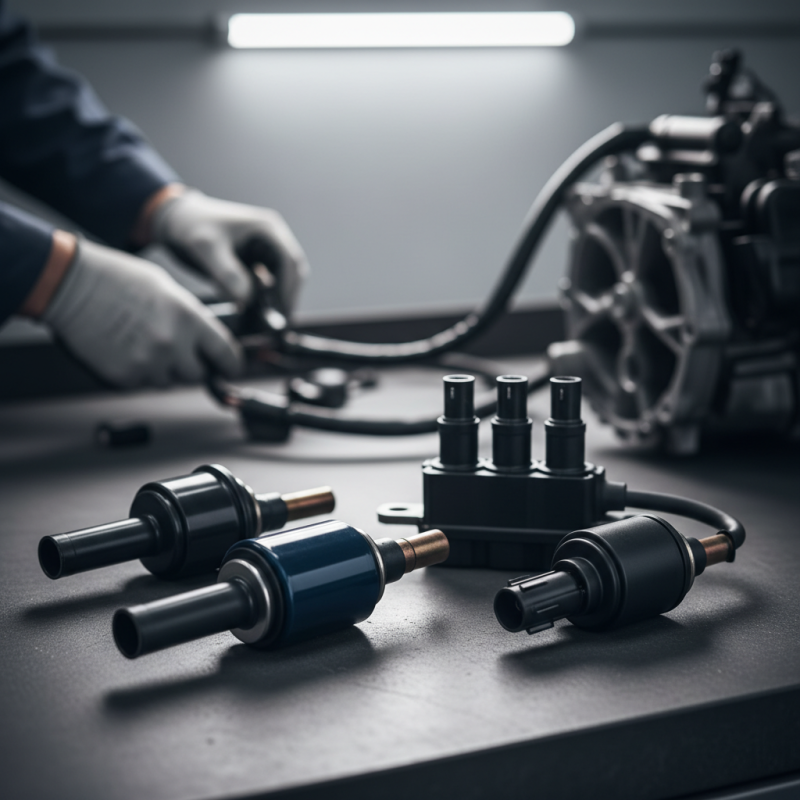
Ignition coils play a crucial role in your vehicle's performance. They convert low-voltage battery power into the high voltage needed to ignite fuel. This process helps start the engine and keeps it running smoothly. If the ignition coil malfunctions, you might notice poor acceleration or misfires. These issues can lead to decreased fuel efficiency and increased emissions.
Regularly checking your ignition coil's condition is essential. Look for signs like a rough idle or starting problems. A visually inspected coil should show no cracks or corrosion. Ensuring the coil's connection is secure can also make a difference.
It's easy to overlook these components, but they greatly affect overall performance. Staying informed about your vehicle’s ignition system can help prevent costly repairs down the line.
Identifying the Right Type of Ignition Coil for Your Engine
Choosing an ignition coil is crucial for your vehicle’s performance. Not all engines require the same type of ignition coil. Understanding your engine's specifications helps in making the right choice. Different engines have unique firing requirements that influence coil selection.
The most common types include distributor-based coils, coil-on-plug (COP), and wasted spark systems. Distributor coils are found in older vehicles, while COP setups are in modern engines. Each type has its own wiring and installation process. Compatibility can affect engine efficiency significantly.
Installing the incorrect coil can lead to misfires or reduced power. Always check your vehicle’s manual before making a purchase. This ensures you’re selecting the most effective option for your engine. Rely on reliable sources for detailed specifications. Emotionally, it’s frustrating to deal with poor performance because of a simple mistake. Be diligent in your search to avoid these pitfalls.
Comparison of Ignition Coil Types for Different Engines
Key Factors to Consider When Selecting an Ignition Coil
Choosing the right ignition coil is vital for optimal engine performance. One key factor is compatibility. Not all ignition coils fit every vehicle. Ensure the coil matches your vehicle's make and model specifications. This step prevents installation issues and can save you time and money.
Another important aspect is the coil's quality and construction. High-quality ignition coils can withstand extreme temperatures. Look for coils made with durable materials. Performance can vary significantly with cheaper alternatives. They may fail sooner, affecting engine efficiency.
Consider your driving habits as well. If you drive in tough conditions, a more robust ignition coil may be necessary. Regular maintenance also plays a role. Inspect your ignition components periodically. A quick check can identify potential issues before they escalate. Ensuring all parts work together will enhance your engine's overall reliability.
Tips for Evaluating Ignition Coil Brands and Quality
When evaluating ignition coil brands and quality, start by considering the materials used in manufacturing. High-quality coils often feature robust insulators and durable wire windings. The choice of materials affects longevity and performance. A well-constructed coil can enhance engine efficiency, while a poorly made one could lead to misfires or stalling.
Next, check for industry certifications and compliance standards. Brands that adhere to recognized guidelines often signify reliability. Customer feedback is also crucial. Look for reviews that specifically mention longevity and performance. It’s essential to identify patterns in user experiences. Not all positive reviews are credible; some may lack substance.
Finally, consider warranty offers. A reputable manufacturer usually backs its product with a solid warranty. If a brand hesitates to provide one, it could be a red flag. Balancing all these factors can help you make an informed decision. Even with thorough research, uncertainty may linger. Reflect on each criterion and how it aligns with your vehicle's specific needs.
Common Signs You Need to Replace Your Ignition Coil
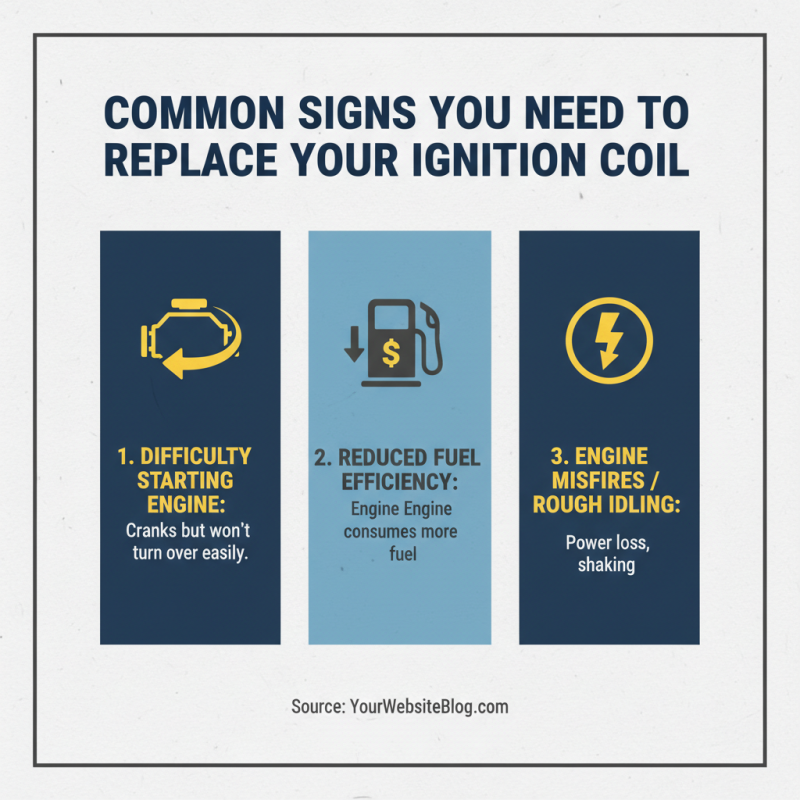
When it comes to ignition coils, knowing when to replace them is crucial. Several signs indicate that your vehicle’s ignition coil might be failing. A common symptom is difficulty starting the engine. If you notice that your car cranks but doesn’t turn over easily, this could be a red flag. Another sign is a reduced fuel efficiency. A failing ignition coil can cause your engine to consume more fuel than necessary.
Engine misfires are also a significant indicator. If your car feels like it hesitates or stutters while driving, it may be due to a faulty coil. Look out for the check engine light. This warning can signal various issues, including ignition coil problems. Additionally, if you find that your vehicle vibrates more than usual, it may be a sign of misfiring cylinders, often linked to the ignition coil.
Sometimes, the symptoms of a bad ignition coil are subtle or easily ignored. This can lead to further engine damage if not addressed. A gradual decrease in engine performance might go unnoticed, but it can affect your vehicle’s overall reliability. Regular maintenance checks can help catch these issues early. A proactive approach can save you from more serious problems down the road.