Leave Your Message

How to Choose the Right Chainsaw Parts for Your Needs?

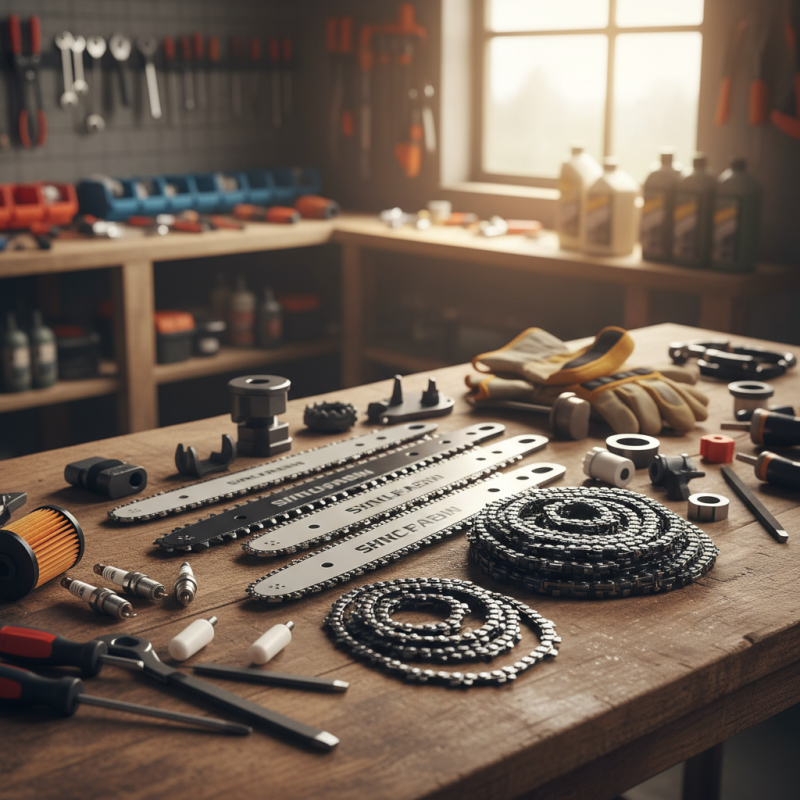
Choosing the right chainsaw parts is essential for both safety and efficiency. Whether you are a professional lumberjack or a weekend gardener, the performance of your chainsaw relies heavily on its components. The market offers a vast array of chainsaw parts, each designed for specific tasks and chainsaw models. This plethora of options can be overwhelming, especially for newcomers.

Understanding the compatibility of various chainsaw parts is crucial. Mismatched components can lead to poor performance or even accidents. A proper grasp of features like the bar length and the type of chain can affect cutting efficiency. Additionally, considering factors such as the intended use, frequency of use, and personal skill level can guide you in making informed choices.

It's common for users to overlook small details that impact performance. For instance, not all spark plugs fit all models. Researching quality brands can prevent regrets later. Getting to know your saw will empower you to select the parts that truly meet your needs. Doing so not only enhances the chainsaw's function, but also ensures a safer operating experience.
How to Choose the Right Chainsaw Parts for Your Needs?

Understanding Different Types of Chainsaw Parts and Their Functions

Choosing the right chainsaw parts requires understanding their functions. Each part plays a unique role in the operation and performance of the saw. The bars, for example, vary in length and material, affecting cutting speed and precision. A longer bar can handle larger logs but might be harder to control.

Chainsaws also have different types of chains. Some chains are designed for smooth cuts in softwood, while others excel in tough hardwoods. The pitch and gauge are critical measurements that determine compatibility and efficiency. A mismatch can lead to poor cutting performance and safety issues.

Don’t overlook the importance of filters and air/fuel systems. Clean filters ensure efficient fuel combustion and optimal power output. A clogged filter might cause your saw to stall unexpectedly. Regular maintenance and part checks are vital to ensure reliability. It's essential to monitor wear and tear; replacement parts may not always perform as expected.

How to Choose the Right Chainsaw Parts for Your Needs?

Part Type Function Compatibility Maintenance Tips
Chainsaw Bar Guides the chain and supports cutting. Ensure compatibility with your chainsaw model. Regularly clean and lubricate the bar.
Chainsaw Chain Cuts through wood using sharp teeth. Check pitch and gauge to match the bar. Sharpen the chain regularly and replace when worn.
Chain Brake Stops the chain quickly for safety. Compatible with various chainsaw models. Test functionality before use.
Air Filter Cleans the air entering the engine. Model-specific air filters available. Clean or replace filter as needed.
Fuel Filter Filters debris from the fuel. Ensure you get the right filter for your model. Replace periodically to maintain performance.

Assessing Your Chainsaw Usage to Determine Parts Requirements

When assessing your chainsaw usage, start by understanding what you'll use it for. Are you trimming trees, cutting firewood, or clearing brush? Each task demands different parts. For example, heavy-duty chains are ideal for cutting thick logs, while lighter chains work for small branches. Knowing your primary use helps narrow down the essential components.

Tips: Consider how often you will use your chainsaw. Frequent users may need higher-quality parts. Less frequent users might find moderate options sufficient. Don't overlook maintenance, as worn-out parts can impact performance. Regularly check your chainsaw's tension and condition. If you notice any signs of wear, it might be time for replacements.

It's also important to reflect on your comfort level with repair and maintenance. Some users can easily replace a chain, while others might struggle. Think about the learning curve. If you're unsure, seek advice from professionals or experienced friends. You may need assistance initially, but learning is beneficial in the long run.

Key Factors to Consider When Selecting Chainsaw Components

How to Choose the Right Chainsaw Parts for Your Needs?

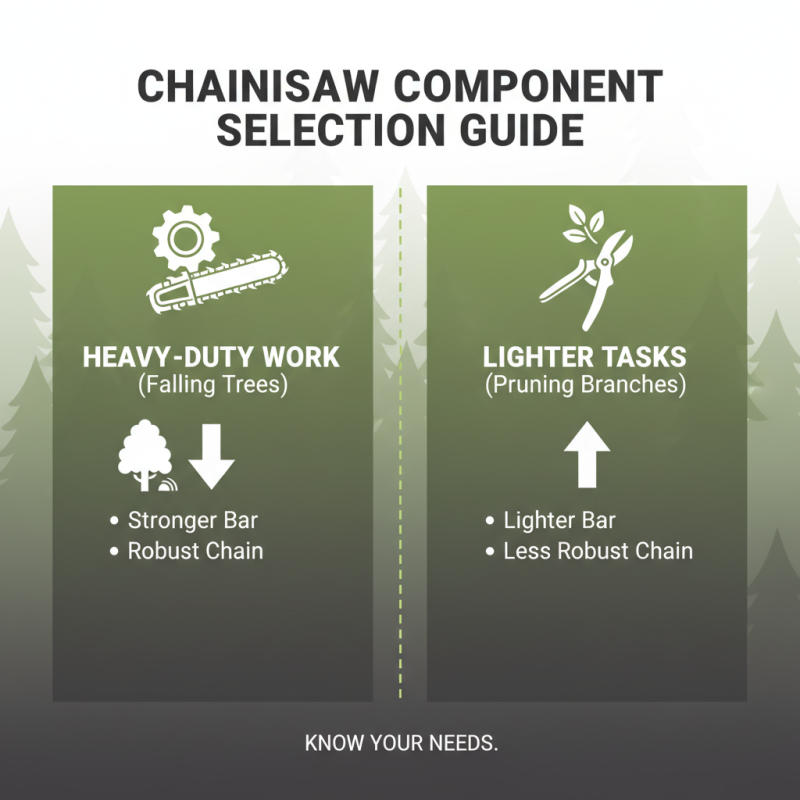
When selecting chainsaw components, understanding your needs is critical. Consider the type of work you will be doing. Are you felling trees or pruning branches? The demands of each task differ greatly. For heavy-duty jobs, a stronger bar and chain combination is necessary. Conversely, lighter tasks require less robust components.

Another factor to consider is compatibility. Not all parts fit every model. Check the specifications of your chainsaw. Mismatched components can lead to poor performance. Additionally, evaluate the quality of materials. Opt for durable options that withstand wear. Be cautious about overly cheap parts; they may falter sooner than expected. It's wise to read customer reviews. Feedback often reveals durability issues you might overlook.

Maintenance is another crucial aspect. Ensure selected parts are easy to service. Simplified maintenance helps in prolonging the lifespan of your chainsaw. Gaps in knowledge can lead to mistakes. There’s always room for learning. Utilize resources to better understand parts selection. A little research goes a long way in making an informed choice.

Comparing Brands and Quality for Chainsaw Parts

How to Choose the Right Chainsaw Parts for Your Needs?

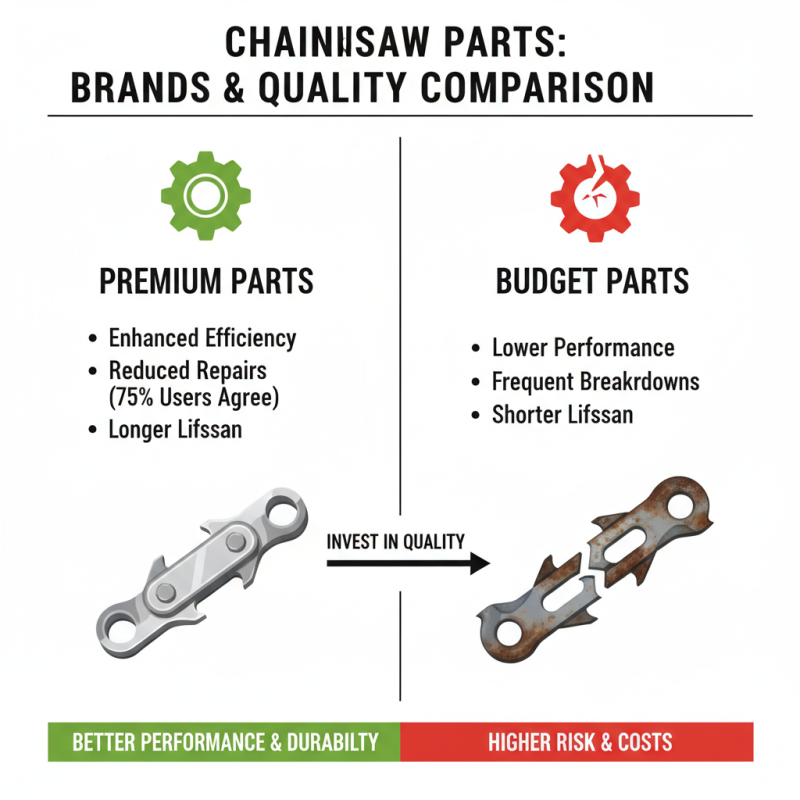
When selecting chainsaw parts, examining brands and quality is crucial. A recent survey indicated that over 75% of users reported a significant difference in performance between premium and budget parts. Not all parts are created equal. Quality components can enhance efficiency and reduce the frequency of repairs.

Compatibility is also essential. Some parts may fit multiple chainsaw models but deliver subpar results. Research shows that using high-quality components can extend the lifespan of your chainsaw by up to 30%. Yet, many users overlook the importance of brand reputation and customer reviews. A brand with a history of quality assurance should earn your trust.

Investing in reputable parts pays off. Data indicates that chainsaw owners who prioritize brand quality spend less on maintenance overall. However, personal experiences vary. Not all high-end brands guarantee satisfaction. Balancing cost with quality can lead to reflection. Are you getting the best value for your money?

Maintenance Tips for Prolonging the Life of Your Chainsaw Parts

Maintaining chainsaw parts is crucial for optimal performance and longevity. Regular maintenance can prevent costly repairs or replacements. According to a study by the American National Standards Institute, proper care can extend the life of chainsaw components by up to 30%. This includes routine inspections for wear and tear and keeping the chainsaw clean.

One effective tip is to regularly check the air filter and spark plug. A clogged air filter affects engine performance. Replacing it every 25 hours of use ensures efficient operation. Similarly, a clean spark plug improves fuel combustion. Many users overlook these parts, leading to reduced efficiency and increased fuel consumption.

Another important aspect is lubrication. Chainsaw chains require proper lubrication to minimize friction and wear. The recommended bar oil should be checked frequently. Industry data suggests that improper lubrication can shorten a chainsaw's lifespan by up to 50%. Paying attention to these details will make a significant difference in the reliability of your chainsaw.