How to Choose Reliable Lawn Mower Parts Suppliers?
Choosing reliable Lawn Mower Parts suppliers can determine whether a machine works smoothly or fails during the busiest season. A dependable supplier provides accurate specifications, consistent quality, and practical support after purchase. The wrong supplier may send a blade with the wrong center hole, a belt that stretches quickly, or an air filter packed in weak plastic. Small errors create expensive delays.
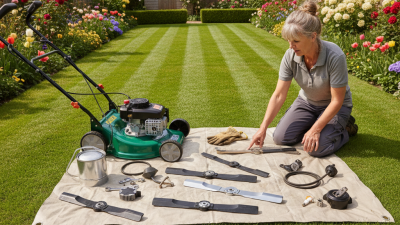
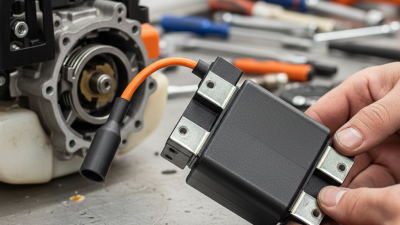
As veteran lawn equipment technician Steve Maxwell says, “The right replacement part should fit correctly and perform reliably under real working conditions.” This principle deserves careful attention. A supplier should explain compatibility clearly, not simply promise that every part is universal. Buyers should check model numbers, engine types, material grades, warranty terms, and delivery records. Clear product photographs also help, especially when comparing pulleys, carburetors, deck spindles, and mower cables.
Trust is built through evidence. Look for traceable manufacturer information, responsive technical staff, and reviews describing actual equipment use. Ask whether the supplier tests parts before distribution. Some companies provide impressive catalogs but weak answers. That is a warning sign. Still, reviews are not perfect. I have seen highly rated sellers fail on one unusual model. Therefore, verification remains necessary.
This guide will examine supplier experience, product quality, certification practices, inventory accuracy, pricing, and after-sales service. It will also consider how suppliers handle damaged shipments and unclear specifications. A low price can be attractive. It can also hide poor materials or inconsistent sizing. Reliable sourcing requires patience, technical questions, and a willingness to reject convenient but uncertain options.
Define Your Lawn Mower Parts Requirements
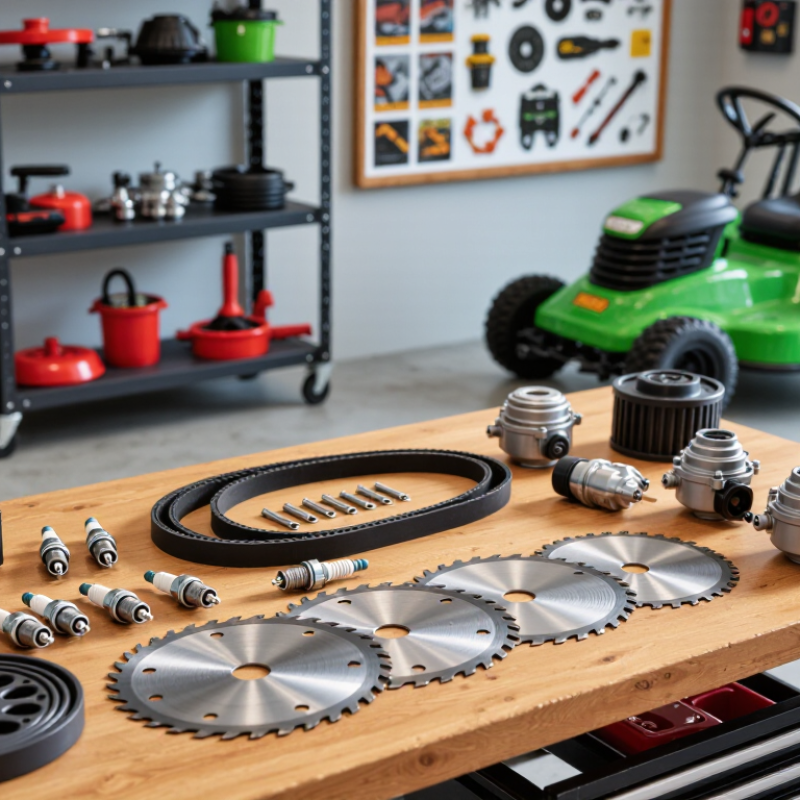
Choosing reliable lawn mower parts suppliers starts with a clear definition of your requirements. Identify the mower’s model, production year, engine type, and exact part number. Check measurements such as belt length, blade width, hole spacing, and mounting diameter. A small error can make a replacement unusable.
Describe the working conditions too. Mention wet grass, uneven ground, frequent commercial use, or long storage periods. These details help suppliers recommend suitable materials and designs. I once ordered a belt by appearance alone. It looked correct, but its width was wrong. That mistake taught me to verify specifications before comparing prices. Keep photos, old-part labels, and measurement records together.
Tips: Create a simple parts checklist. Include the required quantity, material preference, delivery deadline, and acceptable budget. Ask suppliers for compatibility evidence, dimensional drawings, quality records, and return terms. Clear questions often reveal whether their advice is based on experience or guesswork. Do not rely only on polished product images.
A dependable supplier should respond accurately to technical questions. Their team should explain differences between standard and heavy-duty parts. Request samples when fit or durability is uncertain. Check whether replacement parts meet the mower’s operating requirements, not merely its appearance. I still leave room for review because my first specification is not always perfect. Sometimes the actual failure shows that the original diagnosis was incomplete.
Verify Supplier Quality Standards and Product Compatibility
A reliable lawn mower parts supplier should prove quality, not merely promise it. Request a current quality certificate, inspection procedure, and traceability records for each production batch. The ISO Survey 2022 recorded more than 1.26 million ISO 9001 certificates worldwide, showing that certified quality systems are widely established. Certification alone is not enough, though. Check whether the certificate covers the actual manufacturing site and relevant product category.
Compatibility requires precise evidence. Compare the mower’s model code, engine type, part number, mounting holes, shaft diameter, blade length, belt profile, and connector shape. Ask for dimensional drawings and material specifications before ordering. A responsible supplier should explain acceptable tolerances and provide inspection reports, rather than saying, “It should fit.” Standards such as ANSI/OPEI B71.1 can also guide safety-related component checks. Small differences matter. A belt that is only a few millimeters too long can slip under load.
Safety makes this verification practical, not academic. Recent U.S. Consumer Product Safety Commission estimates attribute roughly 80,000 emergency-department injuries each year to lawn mowers and related equipment. Suppliers should therefore test blades, guards, switches, and fasteners under documented procedures. Request sample approval before bulk purchasing. My own purchasing checklist would include one overlooked step: testing the part after heat, vibration, and repeated starting cycles. Paperwork can look convincing. Field performance sometimes disagrees.
Assess Warranties, Support, and Delivery Reliability
Reliable lawn mower parts suppliers should prove their promises through clear warranty terms. A useful warranty states covered defects, claim deadlines, labor limits, and replacement procedures. Ask whether normal wear is excluded. Many parts fail because of poor installation, not manufacturing defects. A trustworthy supplier explains that difference without blaming the customer. Request the warranty in writing before placing an order. Keep invoices, fitting notes, and photographs of damaged parts.
Support quality becomes visible when a mower stops during a busy cutting schedule. Test the supplier with specific questions about compatibility, measurements, and installation steps. Skilled staff should request the mower model, engine details, and part dimensions. Generic answers can signal weak technical knowledge. Look for manuals, diagrams, troubleshooting guidance, and reachable support channels. Phone support helps when a belt or blade must be matched quickly. Email records also create useful evidence if advice later proves incorrect.
Delivery reliability deserves equal attention. Check stated handling times, stock accuracy, packaging standards, and tracking practices. A part arriving late can leave a commercial mower unused for days. Ask how backorders are communicated and whether substitutes require approval. Inspect the parcel immediately for bent shafts, cracked housings, or missing fasteners. Fast shipping means little when packaging is careless. Delivery estimates are not guarantees. Seasonal demand can expose planning weaknesses, even in dependable suppliers. Choose evidence over polished promises.
Evaluate Supplier Reputation Before Making a Purchase
A reliable lawn mower parts supplier earns trust through consistent evidence, not attractive promises. Before purchasing, examine its trading history, customer feedback, and technical support. I learned this after ordering a replacement belt that looked correct online but failed during the first mowing session. A polished website proves little. Specific evidence matters.
Read recent reviews carefully, especially comments about fit, delivery accuracy, and warranty handling. Repeated complaints deserve attention, even when the average rating looks impressive. Contact the supplier with the mower model, part number, and measurements. A knowledgeable representative should explain compatibility without guessing. Ask whether the part is inspected before shipping and how defective items are handled. Clear answers usually suggest organized operations. Vague replies create unnecessary risk.
Reputation also appears in small details. Check whether product pages show dimensions, material information, installation guidance, and realistic stock updates. Compare the supplier’s claims with independent repair forums or local technicians. A dependable seller should provide traceable invoices and a reachable support channel. I still make mistakes when choosing parts, especially when a lower price seems attractive. Sometimes the cheapest option saves money. Sometimes it costs a second repair, extra downtime, and another delivery fee. Keep screenshots of specifications and written replies before paying, since memories become unreliable when a part arrives incorrectly.